
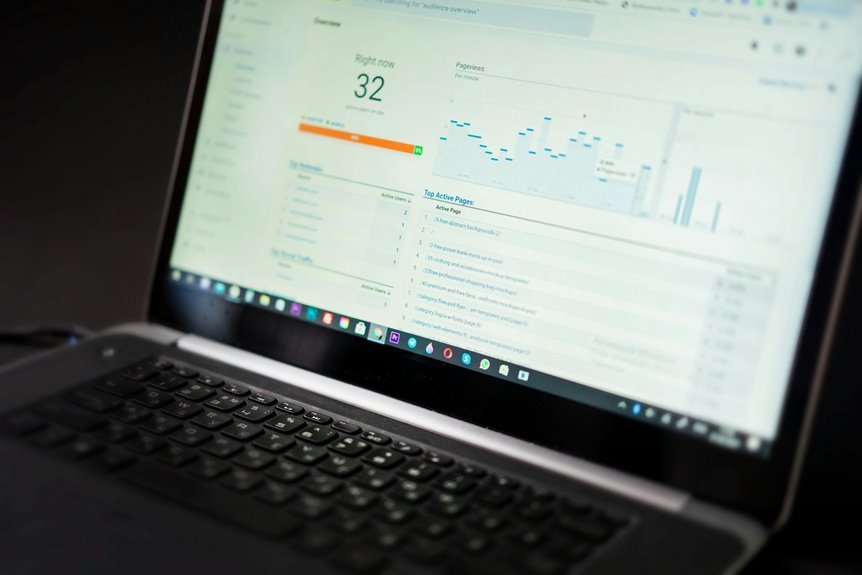
The Priority Metrics Dashboard serves as a vital tool for analyzing performance indicators associated with identifiers such as 615636246 and 120899129. By offering customizable metrics and dynamic visualization, it enables organizations to identify trends and discrepancies effectively. Understanding the implications of these insights can significantly influence strategic decisions. However, the challenge lies in how best to leverage this data for optimal growth and performance improvement.
Understanding the Importance of Key Metrics
When organizations seek to optimize performance and drive growth, understanding the importance of key metrics becomes essential.
Key performance indicators serve as vital signposts, guiding strategic decisions and resource allocation.
Effective data visualization transforms complex information into accessible insights, enabling stakeholders to grasp trends and patterns swiftly.
Thus, leveraging key metrics and data visualization fosters informed decision-making, ultimately enhancing organizational agility and success.
Features of the Priority Metrics Dashboard
The Priority Metrics Dashboard offers a comprehensive suite of features designed to enhance data analysis and visualization.
Key functionalities include customizable metrics, intuitive interfaces, and dynamic charts that improve the user experience.
Users can effortlessly manipulate data sets, allowing for deeper insights and more informed decisions.
This focus on clarity and accessibility ensures that data visualization becomes a powerful tool for all users.
Analyzing Performance Across Identifiers
How can organizations effectively measure performance across various identifiers?
Conducting a thorough identifier comparison allows for a nuanced performance evaluation. By leveraging data analytics tools, organizations can identify trends and discrepancies among identifiers.
This analysis not only highlights strengths and weaknesses but also empowers decision-makers to optimize strategies, fostering an environment where informed choices can lead to enhanced operational freedom and effectiveness.
Best Practices for Leveraging Insights
Leveraging insights from performance metrics requires a structured approach to ensure actionable outcomes.
Organizations should prioritize data driven decisions by systematically analyzing trends and patterns.
Establishing clear objectives will help translate metrics into actionable insights.
Regularly revisiting and adjusting strategies based on these insights fosters an adaptive culture, empowering teams to innovate and respond effectively to changing environments.
Conclusion
In conclusion, the Priority Metrics Dashboard serves as a compass for organizations navigating the complex landscape of performance analysis. By illuminating key metrics across various identifiers, it enables stakeholders to chart a course toward informed decision-making. The dynamic visualizations not only clarify trends but also unveil discrepancies that may otherwise remain hidden in the data. Ultimately, harnessing these insights empowers organizations to refine their strategies and drive sustained growth in an ever-evolving market.


